.svg)
Our Living ecosystem
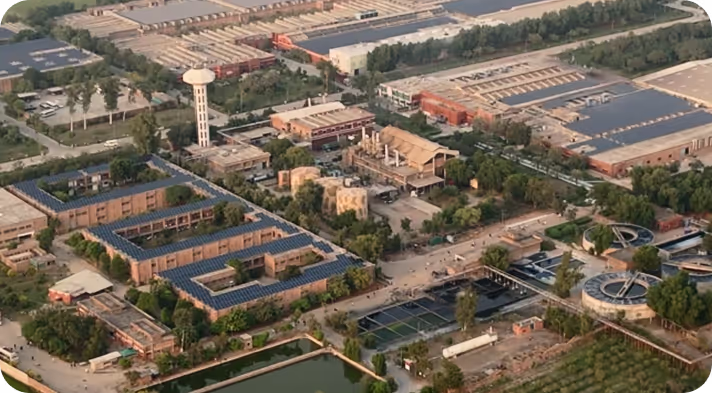
CBL's journey began in 1995 with a long-term commitment to responsible manufacturing and community development. What started as marshland in Bahuman has evolved into a fully integrated ecosystem spanning industry, agriculture, education, and housing. As we move toward Vision 2030, our focus remains on building a scalable model of sustainable growth rooted in environmental stewardship and social progress.
Building a
Greener Future
.avif)
.avif)

Reducing water usage by 50% by 2030

Cutting emissions by 40%

Transitioning to 50% renewable energy

Achieving zero waste to landfill

Ensuring 90% compliance with ZDHC MRSL and Green Chemistry standards
.avif)
Increasing circular material usage by 30% by 2030
Innovative Environmental Initiatives

Renewable
Energy
8 MW solar and biomass systems reducing fossil fuel reliance.
.avif)
Waste
Reduction
Transforming 210 tons of waste monthly into reusable materials.

Water
Conservation
Blue Infinity and foam washing
up to 90% less water usage.
Our Social Impact
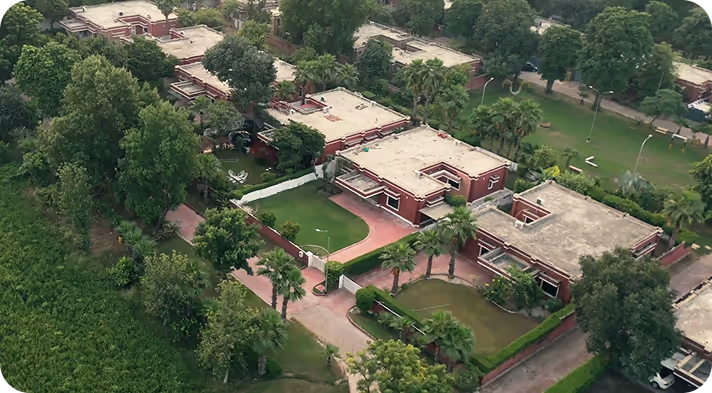
The Bahuman Community
Our 600-acre campus reflects decades of investment in infrastructure and livelihoods since 1995. It includes education, healthcare, housing, and sustainable agriculture, with wheat and rice cultivated on-site and agricultural waste composted into pesticide-free manure.
Kuch Kar Guzar
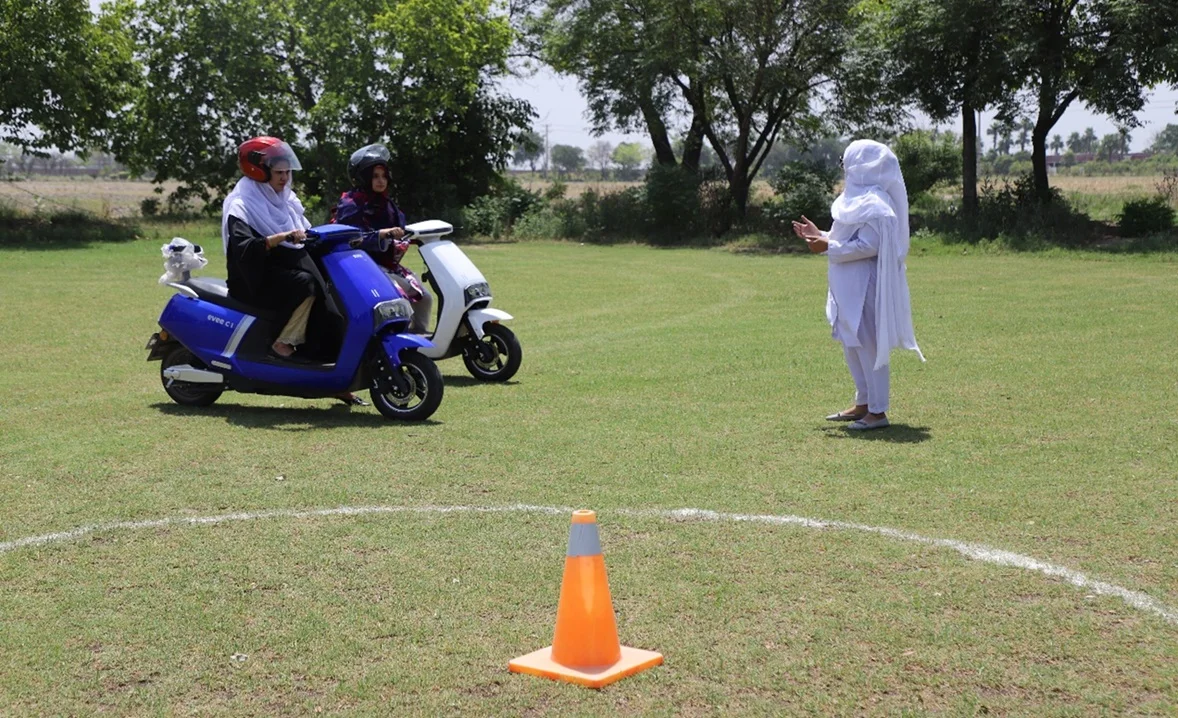
This women's scooter training programme promotes mobility, independence, and access to opportunity. It is a step toward greater inclusion in both social and economic spaces.
Education
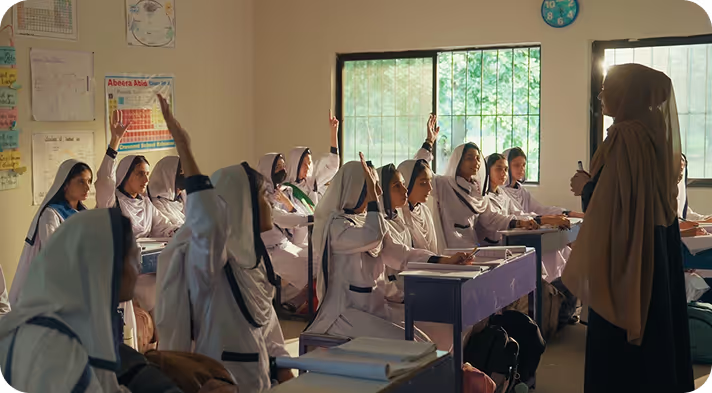
Crescent School Bahuman, recognised as the leading institution within a 40km radius, anchors our education efforts and delivers quality education to over 1,200 students each year. Complementary initiatives such as Jugnu (adult literacy) and vocational training programmes further extend learning opportunities.
Our People
A Place to Live
We provide housing for over 3,000 individuals, along with access to a dispensary, ambulance services, daycare facilities, medical camps, and financial literacy programmes. Our approach integrates health, safety, and quality of life.
.avif)
Worker Engagement
Through the Levi Strauss & Co. Worker Wellbeing Initiative, we use anonymous surveys to inform improvements in health, equity, and workplace conditions.
Gender Equity
We are committed to equal opportunity across all levels of the organisation. This includes increasing women's representation in supervisory roles and maintaining a strict anti-harassment policy.
.avif)




